
Home / Destinations / Kyoto
Japan · Cabin Guide · 3 days
Kyoto works better as neighborhoods than a checklist
Published October 16, 2026 · Planning links rechecked against Kyoto’s official tourism tools. Not a hotel or tour booking page.
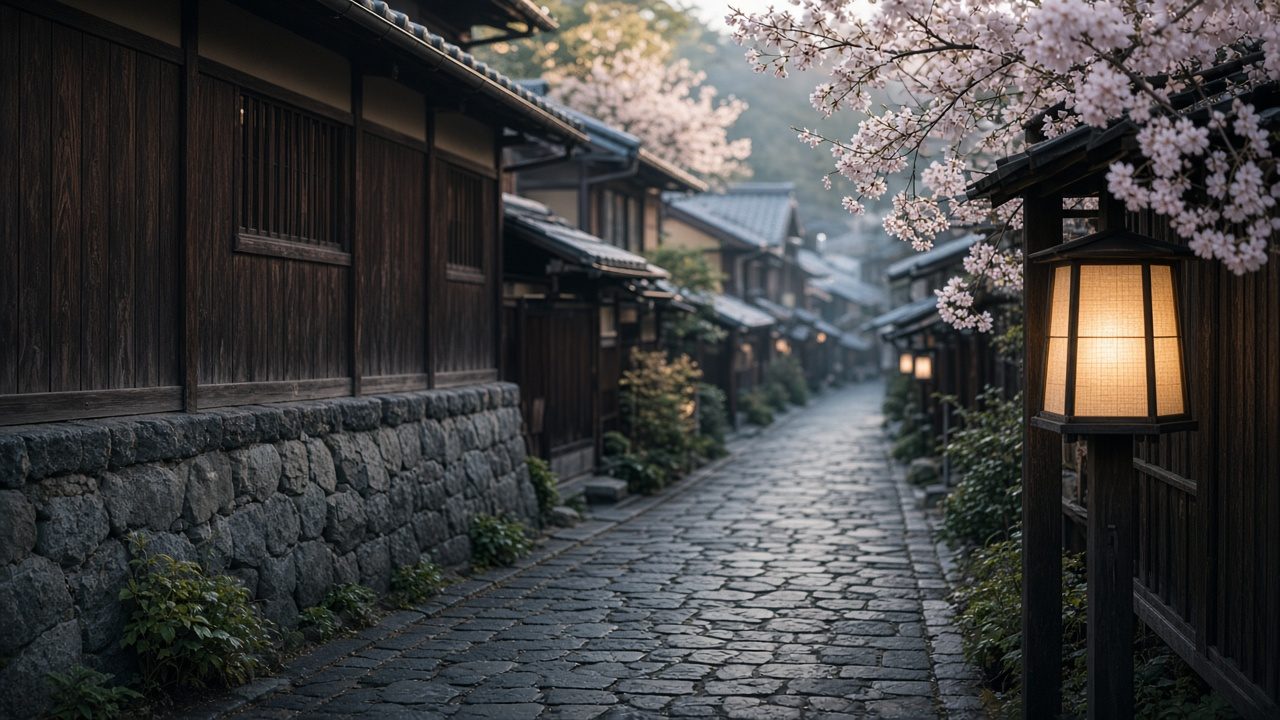
Best for: travelers who will trade a packed “greatest hits” day for quieter mornings, deliberate routing, and time to notice a place. Skip this plan if your only goal is every temple on a viral list in 48 hours.
The mistake is treating Kiyomizu, Gion, Arashiyama, Fushimi, and the northern temples as if they sit along one convenient loop. The more useful plan clusters a day by area, mixes trains with buses, and checks crowd conditions before crossing town.
Do not ask “How many famous sites can I fit?” Ask “Which area gets my best two morning hours?” Kyoto’s own tourism office provides congestion forecasts and real-time tools for popular districts. Use them the night before.
Three days, three clusters
This is a first-trip shape, not a mandate. Swap days if weather or closures force it. What you should not swap is the clustering rule: finish one district before you burn an hour returning through Kyoto Station just to start another.
- Day 1 — Higashiyama & Gion: Start early at the eastern hills (Kiyomizu-dera area), walk downhill through lanes toward Gion, and keep the afternoon flexible. Respect note: geiko and maiko are not street photo props—do not stop, touch, follow, or photograph without permission.
- Day 2 — Arashiyama or Fushimi: Pick one. Arashiyama for river and bamboo pressure (go early). Fushimi for the shrine approaches and a slower southern day. Trying both in one day is how you spend Kyoto on transit.
- Day 3 — Central / north temples or a buffer: Use the third day for a quieter northern temple cluster, a market morning, or the site you skipped when crowds spiked. Build one empty block. You will need it.
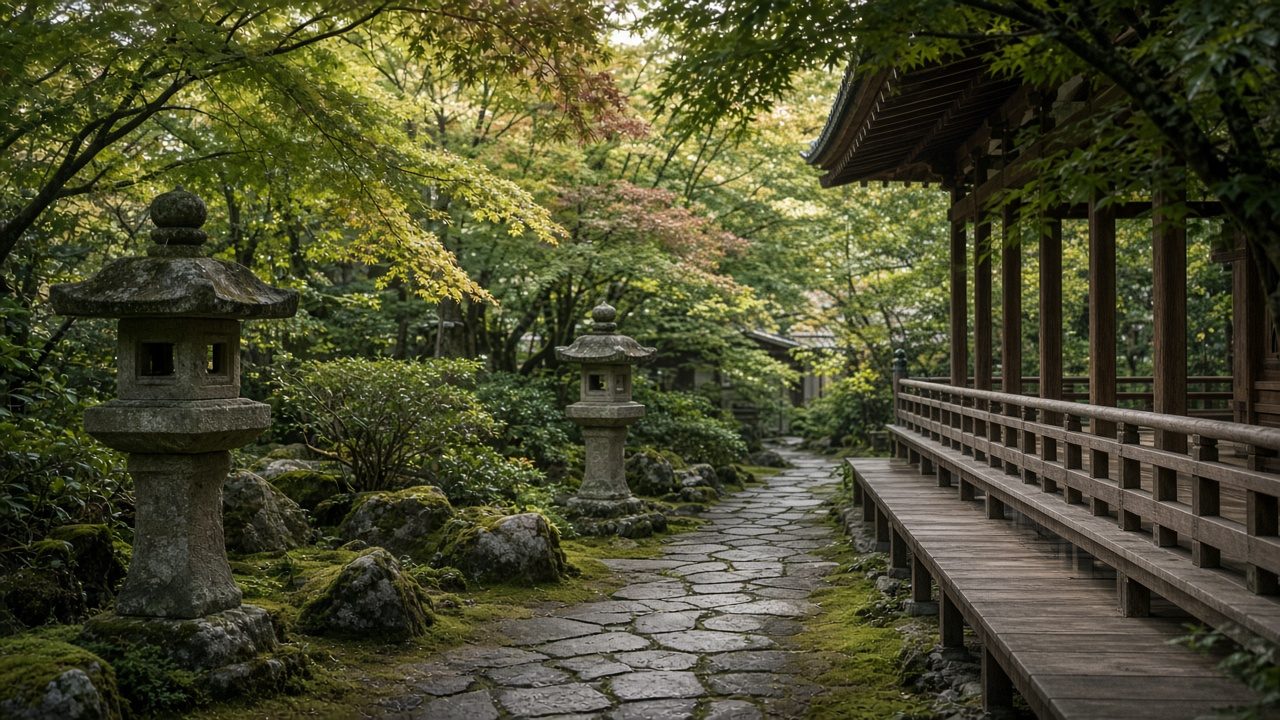
Route logic that actually saves the day
- Cluster by district. Avoid repeated returns through Kyoto Station as a default.
- Buses and landmark streets can become the trip. If the official congestion tool is red for your target, shift the morning destination instead of forcing the bus.
- IC card first. Load a transit IC card (or Apple Wallet equivalent where supported) before you need it at a crowded gate.
- JR Pass is rarely the Kyoto-only answer. Day-to-day city travel is buses, subway, and short hops. A national pass belongs on a multi-city rail itinerary.
What to pack for Kyoto in one carry-on
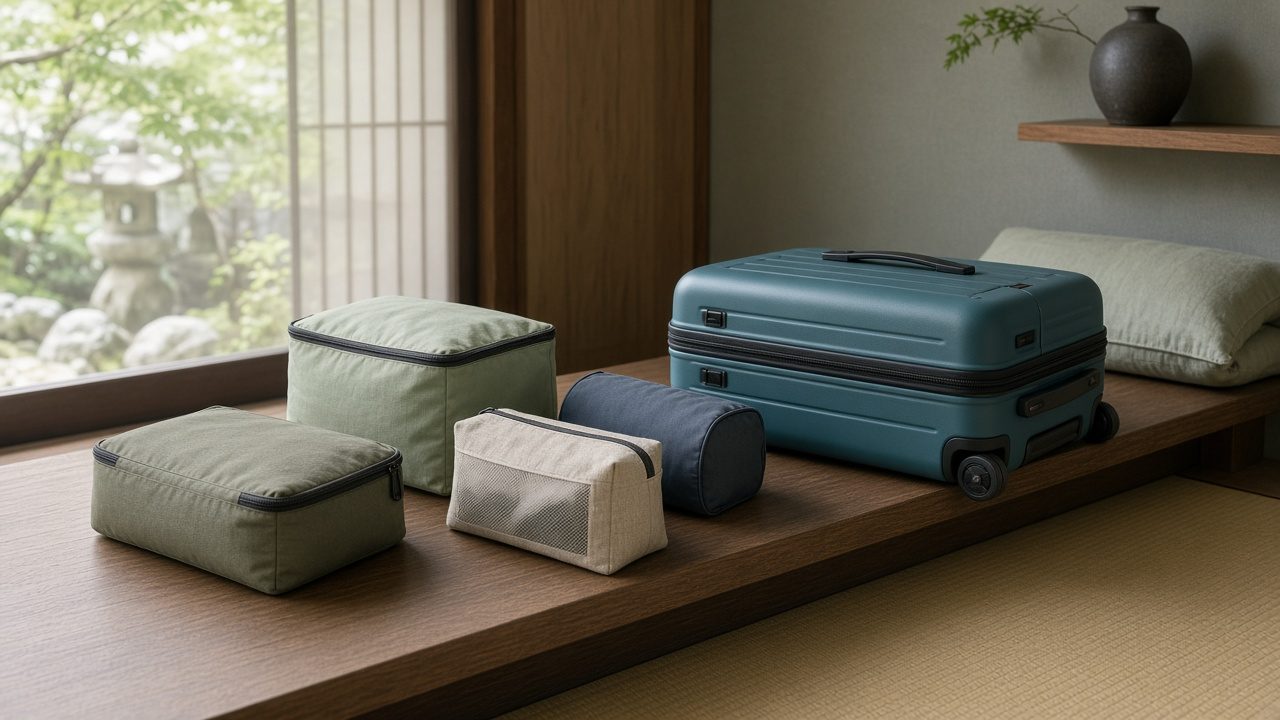
Kyoto rewards walking and punishes a heavy bag you keep relocating. Pack for three to four layered days, not a costume change per temple.
- Carry-on: A light spinner that stays under sizer pressure—see our Travelpro Maxlite 5 carry-on guide. Leave the expansion closed for every flight and every transfer.
- Clothes: Put tops and bottoms in packing cubes so you are not unpacking the whole bag for a shirt. Comfortable walking shoes matter more than a third pair of jeans.
- Power: Long map days drain phones. Keep a cabin-legal portable charger in the personal item, not at the bottom of a bag that might get gate-checked.
- Plugs: Japan is Type A/B at 100V. Dual-voltage bricks marked 100–240V are fine. Read our travel adapter guide if this trip continues to Europe or elsewhere—an adapter changes pin shape; it does not change voltage.
Power and plugs without the myths
U.S. travelers often assume Japan “just works” because the plug looks familiar. The shape is familiar. The wall is 100 volts. Phone and laptop chargers labeled 100–240V are built for that. A 120V-only hair tool is not. If your itinerary continues to Type C or G countries after Kyoto, pack the adapter for those legs—not because Kyoto needs a exotic plug, but because the next city will.
Who should skip this itinerary shape
- You only have one full day. Pick one district. Do not try to “do Kyoto.”
- You need resort downtime more than walking. Base somewhere quieter and take a single focused day trip instead.
- You refuse crowd tools. Peak blossom and foliage weekends will punish optimism. The official forecast exists for a reason.
Questions people ask before they book
How many days do you need in Kyoto?
Three full days is enough for a strong first trip if you cluster by neighborhood. You will not see every famous site. You will leave with a clearer sense of the city than a packed greatest-hits loop.
Do U.S. travelers need a travel adapter for Japan?
Japan uses Type A and B plugs, same shape as the U.S. Voltage is 100V. Dual-voltage chargers marked 100–240V are fine. Single-voltage 120V appliances are a bad idea. Bring an adapter if the same trip continues to other plug regions.
Should I buy a Japan Rail Pass for Kyoto only?
Usually no. A Kyoto-focused trip runs on city buses, the subway, and short JR hops. A national JR Pass makes more sense when Kyoto is one stop on a wider Japan rail itinerary.
When is Kyoto most crowded?
Cherry blossom and autumn foliage weekends, plus major holidays. Check Kyoto’s official congestion tools the night before, then shift districts if a target is overloaded.
Official sources to check before you go
- Kyoto Travel: official getting-around guide
- Kyoto Travel: live congestion / comfort tools
- Kyoto Travel: responsible travel guidance
Planning links checked October 16, 2026. Recheck congestion and closures the night before each day.
Want a shorter, passport-free trip with the same one-district-per-day logic? Our Old San Juan long-weekend guide applies it to forts, streets, and a beach day.